Hardware-Software Integration · Why
Many sites treat “the light is green, the app opens” as digital done. Whether devices should join the business is not about how pretty the box looks. It is whether overheat, a missed punch or a missed scan gets assigned, leaves a record, and can be used by the person on shift.
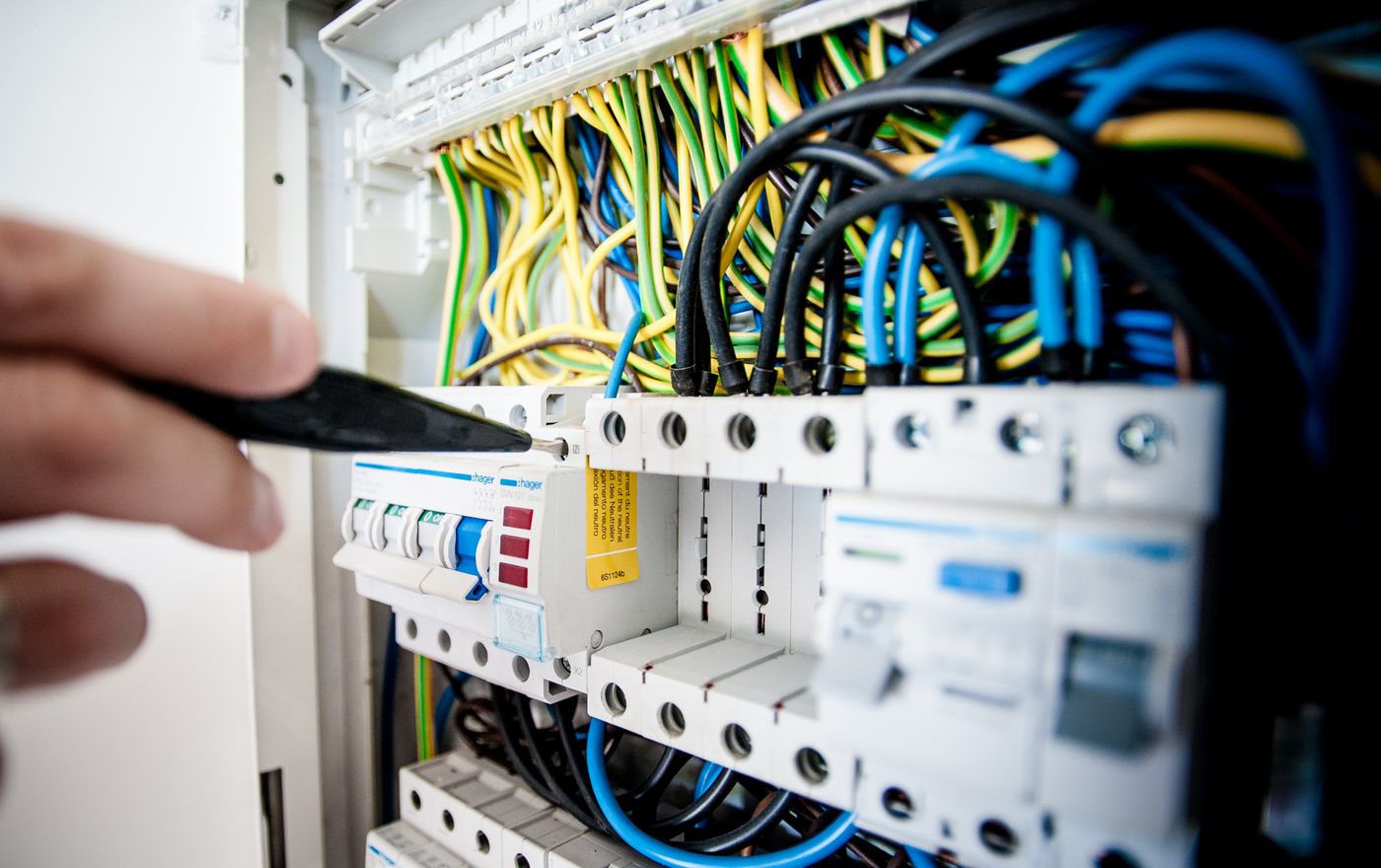
If gates, sensors, industrial controllers and scanners stop in a vendor cloud, shop-floor and warehouse work does not shorten by itself.
Over the last decade, plants and parks bought a lot of hardware: gates at the door, line temperature and humidity, meters in the panel, PDAs in the aisle. Each shipment came with an app or an “IoT platform.” The duty room got one more screen. Visitors could point at green dots and say IoT was live. The next day was the problem: who handles a heat rise, why an exit card still opens a door, how a missed-scan pallet gets booked. Those jobs still ran on radios and paper. A device on the network only proves power and protocol. The business system answers who owns the exception, whose rights apply, and which document stock follows.
Connected is not a closed loop
A camera wall can be watched twenty-four hours and still never open a maintenance ticket. A closed box can lock data in a vendor cloud so MES, HR and the warehouse get not a single field. Paper patrols can be checked every day and still fail to prove anyone was on site once the count grows. Seen apart, you might think you need smarter devices. Seen together, you are missing the path from event to ticket and board. Why cameras alone are not software: Cameras without work orders are not software. What happens when a box locks data: When a closed IoT box will not release your data.
Hardware-software integration is not another cloud you cannot see into. It is the stretch after an exception where work can be assigned, reconciled and audited.
The business system is why the device exists
If access never reaches HR, exit rights will not die on their own. If meters never reach MES, crews still copy readings. If scanners never reach the warehouse, books still get reconciled at night. Online devices with people still staring are rarely lazy operators. The alert never became an assignable ticket. That case is Devices are online. Why the floor still stares at screens. Safety and audit teams do not want wall animation. They want records they can verify: What device records must prove in a safety audit.
Design together so you do not tear the box apart later
The right order is to ask first: which exceptions must close, which live business they join, whether catch-up works offline, and whether the protocol opens to the business layer. Hardware brands can be named. Software must deliver events into your own back office. DaXi Technology writes connection, collection and tickets into one plan, so the site is not left with a closed box. If you need a site inventory, go to the Hardware-software service page and describe devices you have and the exception you want closed. Cost and cycle: What hardware-software projects cost, and how long they take.
Write down what you will not do in phase one
Integration is not every sensor drawn onto a smart-park rendering. Phase one can be only stop-the-card-on-exit, or only overheat opens a ticket, or only missed picks. Once scope shrinks, integration windows, false-alert tuning and training can keep up. Rendering-first projects still have people staring three months later, while nobody opens the board. Whether the system is a work entry or decoration has to be decided at kickoff. Compare Treating the system as a monitor wall vs. a work entry. Engineering order from brief to launch: From brief to launch: how a hardware-software project runs.