The duty room’s usual picture is a nine-grid all green, then a red flash. What happens after the flash, the wall itself does not know. It only delivers pixels to a person. If that person is on a call, away, or watching twenty feeds, “seen” drops back to “nobody was assigned.”
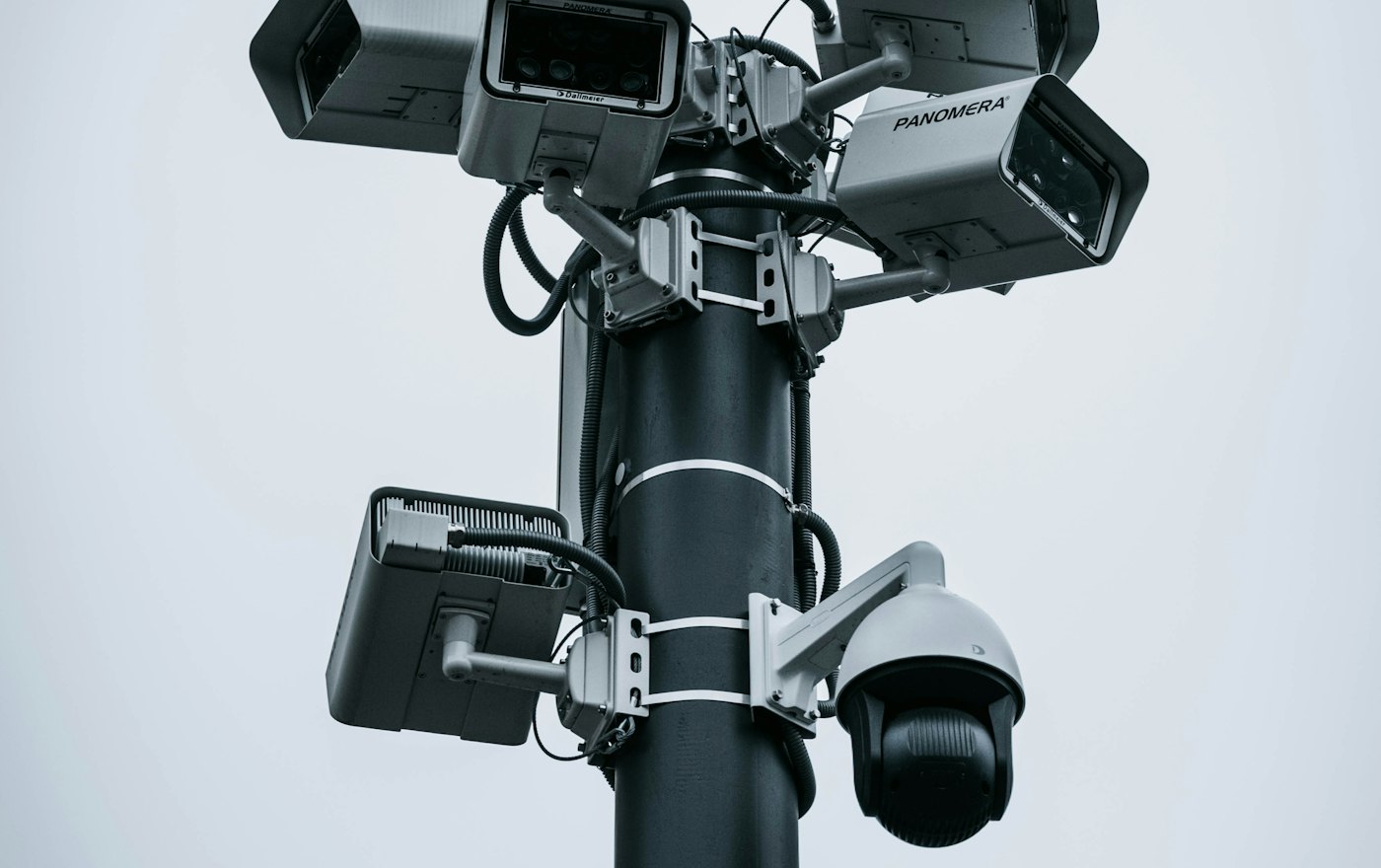
Seen, and handled, still need a ticket in between
Cameras solve evidence and deterrence, not work. Fire, collision, people lingering: tape can be rewound later, but it cannot assign maintenance in the first thirty seconds. Many projects turn “analytics” into more red boxes that still sit in a vendor client. Your ticket system, patrol app and crew roster have no interface. So the floor keeps shouting. Why devices and the business must connect: Why companies should connect devices to business systems.
Video as the only system punishes the duty post
One or two feeds, a person can watch. A park or shop floor at a hundred feeds turns staring into fatigue. Miss one event and the duty officer owns the blame. Software should open a ticket after a rule fires, with point, time, snapshot and a suggested owner; escalate if nobody takes it. How alerts become assignable tickets: Fewer screens to watch: how alerts become assignable tickets. How missed handling drops after auto-tickets: After exceptions open tickets, missed handling drops.
Someone will say “we have an analytics platform.” Three questions are enough: can the event enter the live ticket system? Can the result write back and close? Can audit export a closed-loop list by point? Fail one and the camera is still decoration. Monitor wall versus work entry: Treating the system as a monitor wall vs. a work entry.
Where video should sit
DaXi Technology does not argue for algorithms on every feed. The stabler pattern: key-point alerts enter tickets, the recording URL sits on the document, and daily work still leans on sensors and gate events. Line heat, tailgating, warehouse boundary—trigger with the right device; cameras keep the proof. If patrols still tick paper, that risk stacks with “watch only”: Why paper patrol checklists fail at scale. To join existing cameras to tickets, go to the Hardware-software service page and describe points and how work is assigned today.
Algorithm boxes do not fix shift handoff
Day shift saw a smoke link. Night shift sees a dismissed popup. With no ticket number, the log can only say “it might have sounded.” Software must turn the event into something you can hand over: who took it, which frame, which point, what the floor looked like at close. That is the same structure as a green device tree with people still staring: Devices are online. Why the floor still stares at screens. A pretty analytics wall that still cannot open a ticket is almost as bad as none: A pretty IoT video wall is almost as bad as none.
Bids write “smart” into camera purchases and skip the ticket interface, so acceptance only counts streams and sharpness. When you add software later, the vendor says the platform is closed. Write the loop before you buy cameras. It is cheaper than laying a wall first. Whether software must supply hardware: Must we supply the hardware, or can you name the brand.