Buyers fear two things: a software firm that forces its own hardware at a markup, or software-only with zero care for devices on site. Say the belonging out loud: who buys hardware, and which layer software guarantees to reach.
Hardware belongs to the site
- Gates, meters, PDAs you have: keep them if they still work
- A named brand and a named integrator to supply are fine
- Spares, warranty and install still run OEM or owner purchase
- We own protocol, collect, tickets and the business hookup
That is the default. Assets already on site need not be bought again for “integration.”
Software must reach the business
- Interface or protocol must open to the event layer—not stop in a vendor app
- Exceptions enter tickets, rights enter HR, scans enter stock
- Offline cache, catch-up and visible failure belong in acceptance
- Data belongs to the owner, not a demo cloud
Pick any brand. Do not weld the exit shut. Welded, it is still a closed box.
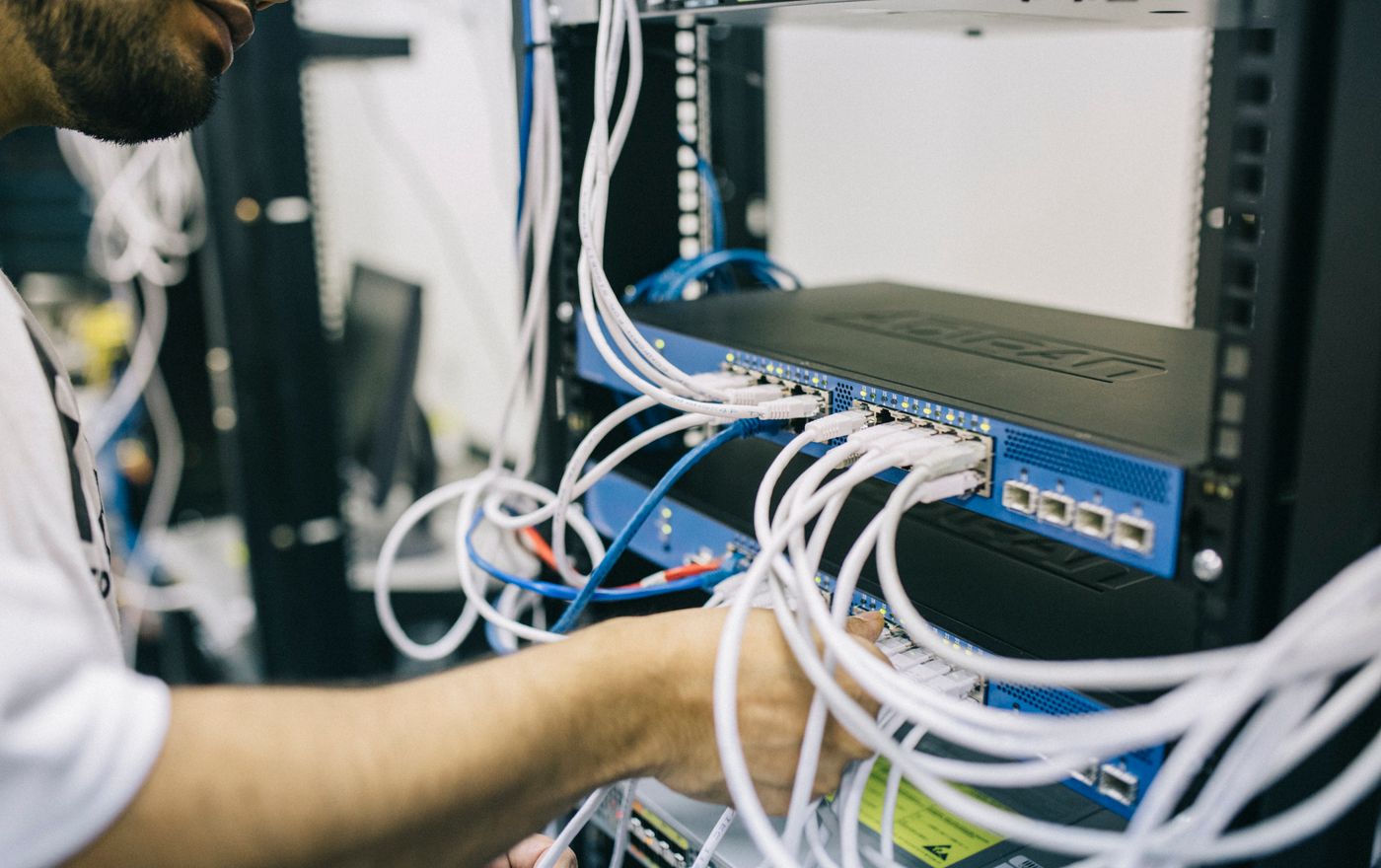
When we will recommend a hardware change
Firmware with no API, a vendor gone dark, an encrypted protocol that refuses rights, no local cache so weak net is unusable. Then a gateway or model change is cheaper than another skin on a closed cloud. When the old vendor went dark: The old vendor went dark. Can the devices still join a new system. Whether we can still integrate if the protocol is closed: If the device protocol is closed, can we still integrate. What a closed box costs: When a closed IoT box will not release your data.
If DaXi Technology also supplies, write the boundary
Some owners want one-stop buy. We can source, but split the contract: device list and warranty under hardware; access, tickets and business hookup under software. Avoid “lamp off is software, no API is hardware.” How to estimate cost and cycle: What hardware-software projects cost, and how long they take.
Inventory first, then decide whether to buy
Site inventory should list brand, protocol, network and who handles an exception. Path: From brief to launch: how a hardware-software project runs. DaXi Technology will not write “you must buy our box” as a premise. To name a brand or keep old devices, go to the Hardware-software service page with model and interface notes; closed vs. open: Closed box vs. open access: which one can enter a work order.
When you name a brand, write “can write the list” into the tender
If a tender for gates, access, meters and PDAs only writes accuracy and look, software arrives and finds an app-only box. Write in the hardware tender: events subscribe, lists can ship, data belongs to the owner, offline can cache. A software firm that arrives later can still demand OEM open on those terms. How to judge the protocol layer: If the device protocol is closed, can we still integrate.
Multi-brand is common: one gate family at the east door, another in the shop. Integration means one rights service—not one logo. If protocols will not unify, close them with an open gateway, not a prettier master box. Park scenes: How park gates and parking connect to HR. When warehouse guns do not match, scan-into-WMS principles stay: Scan into WMS so books and stock stay closer.
When an owner names a brand, also name an interface contact. Many projects stall because the OEM will only talk to the integrator, not the software firm. Write in tender and contract that the software implementer gets debug accounts and docs, or integration never gets a window. Time that adds should be a line on the quote.