Main cell · Today’s plan vs done
Output or wave progress, by line or dock. Type large enough to read from the aisle. Open it and you get unfinished work orders, not a year-to-date total.
A plant or warehouse wall is a few steps from the station. People will not stand there to do operations analysis. They need to decide: add people to this line, cut this wave, which bin is already below safety. “Group strategy” or a national heatmap on the screen tells the floor this TV is not for them. Office lookups start again.
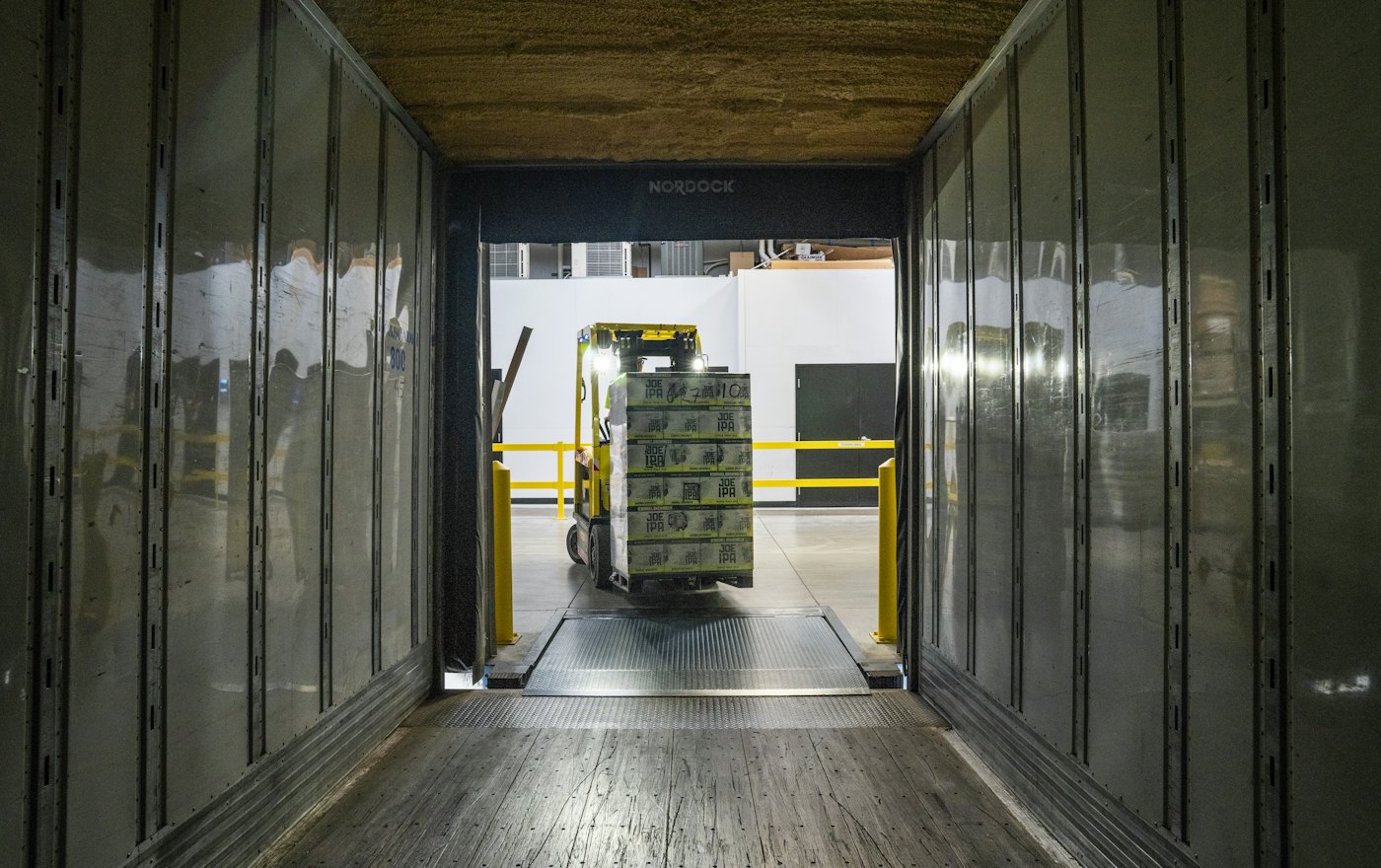
Output or wave progress, by line or dock. Type large enough to read from the aisle. Open it and you get unfinished work orders, not a year-to-date total.
Aged work orders, waiting to ship, waiting to put away. Color by age.
Machine down, short material, mis-ship, QC hold. Must name the responsible crew.
Key materials or bins below safety stock. Push to the warehouse role. Do not only light red.
Write the refresh time. Fake real-time that ticks on purpose will be treated as furniture.
This is the same design as keeping crews out of the office. The long version: How a shop-floor screen keeps crews out of the office. Refresh by shift window; do not force second-level. See Does it have to be real-time, or is T+1 enough. Exceptions must push to people, or they become the next shift’s inheritance; see Alerts pushed to people, so exceptions rarely sit overnight. A wall that will not open a work order is as bad as a decorative screen; see A pretty wall screen is almost as bad as none and If a number cannot open a document, what is the dashboard for. The screen is a few steps from the station. People will not do operations analysis there. “Group strategy” or a national heatmap tells the floor this TV is not for them.
Warehouse side first: wave complete, pick overtime, mis-ship, bin levels. Plant side first: plan hit, WIP backlog, downtime, short material. Do not put leadership margin on the same screen. Definition windows differ. The floor loses patience staring at a red light they cannot act on. Leave those five operations tiles in the office; see Which KPIs belong on the leadership dashboard first. Set TV brightness from the plant, not a demo room. Glare and dust erase light bar charts. Dark background, large type, matters more than a dashboard skin. Night and day shift must share one definition and one work-order status. If “today” is recalculated at shift change, backlog washes to zero.
When DaXi accepts a floor screen, we ask a supervisor to stand with their back to it, hear one question—“which document should be handled now”—then turn and point within ten seconds. If they cannot point, the design is still a tour. Type size, contrast, and whether a rack blocks it all count as defects. Leave a scan-to-detail entry beside the wall. Not everyone has an account to tap the TV. Device collection can enter the same grid. Do not let an OEE curve squeeze out the backlog list. To produce a grid by line or dock, tell the Data service page the shift and how you report numbers now.
The owner of the floor screen is the supervisor, not IT. Alert thresholds crews will not use, abbreviations they cannot read, work orders that will not open—change those in the first trial week. Do not leave them for “phase-two polish.”
Set TV brightness from the plant, not a demo room. Glare and dust erase light bar charts. Dark background, large type, matters more than a dashboard skin.
Night and day shift use the same definition and the same work-order status. If “today” is recalculated at shift change, backlog washes to zero and the floor thinks the system is faking.
Leave a scan-to-detail entry beside the wall. Not everyone has an account to tap the TV. The phone is the floor’s drill-down hand. Walk the real aisle for rack blocks, glare, and type size. Do not only review the design in a meeting room.
Tell us what the shift prints today and which work orders cause a walk to the office.