People often sell a dashboard as “visibility.” What is actually worth money: after you can see it, someone closes it on the shift when the threshold breaks. An alert that never reaches a person is the same as a red dot on a decorative wall screen.
Futian store SKU-8841 below safety stock
On hand 6 / safety 20. Document: replenish PR-3091. Recipients: store manager Chen Qian, warehouse on call.
Unacked
Plant 2 work order WO-771 overdue 3.2 hours
Shop-floor screen already flashing. Escalate: supervisor → production lead (22:00). Drill to station pass-through.
Acked
Nanshan margin 6.1pt below the region
Two days in a row. Check today’s free-goods tickets. Definition v3. Do not argue with the POS collections column.
In progress
API STK last-night reconcile off by 12 rows
Not on the operations home screen. Sent to implementation. The gap does not enter operations KPIs, so you do not argue a fake number.
Ticketed
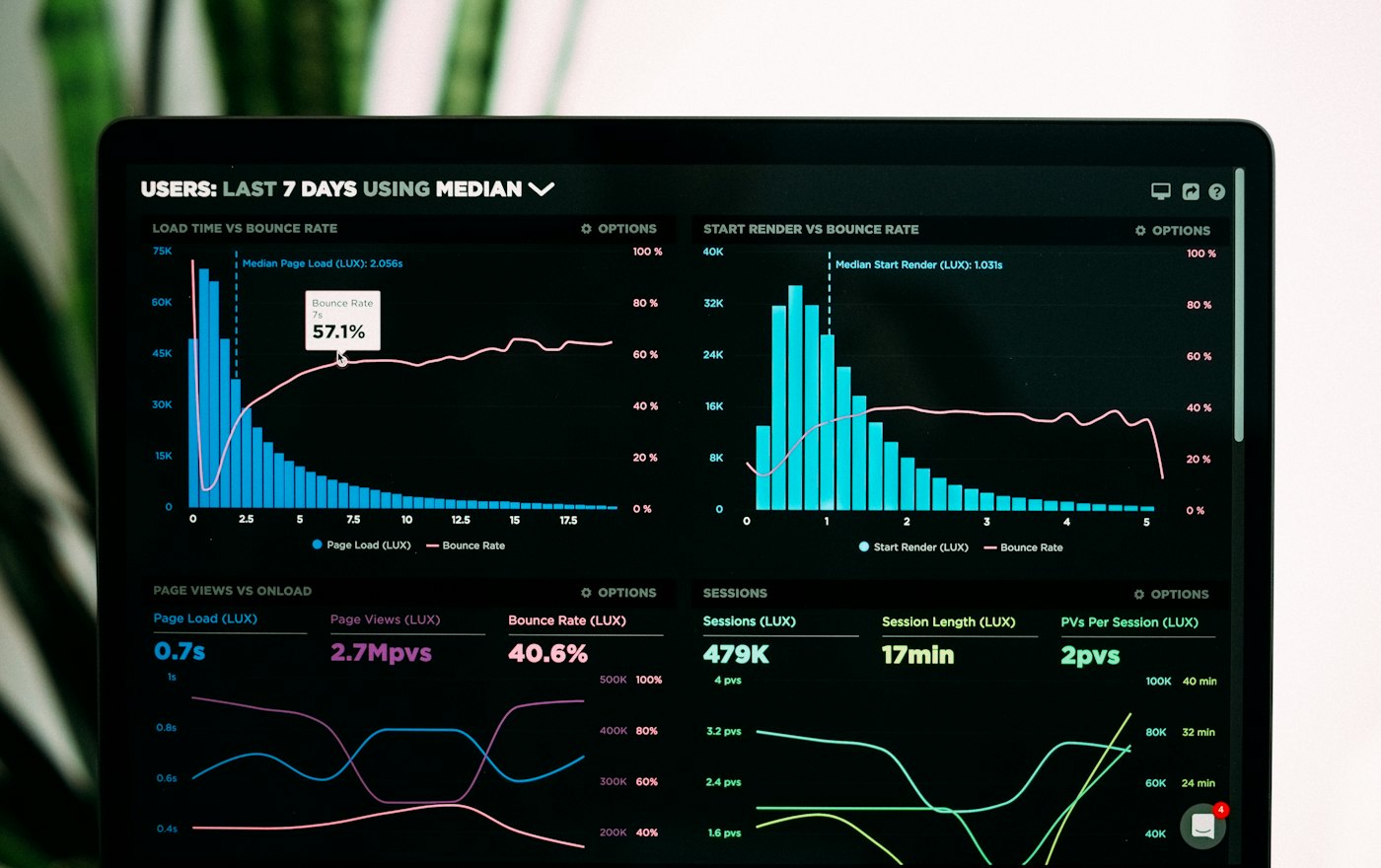
Exceptions sit overnight less often when the path is short, not when refresh is more real-time. Many exceptions can wait for the T+1 morning shift. You do not need seconds. Whether it must be real-time, see Does it have to be real-time, or is T+1 enough. A floor screen can flash, but it must also land in the notice list, or only people walking the corridor will see it; see How a shop-floor screen keeps crews out of the office.
Keep thresholds few and sharp. Alert on everything and you have no alert—everyone turns push off. Phase one only covers lines that actually stop a line, stock out, or lose money, and writes them on the definition board; see After one definition, weekly meetings argue less. A red light that cannot open a document is treated as noise; see If a number cannot open a document, what is the dashboard for.
In a chain, HQ receives an “outlier store” roll-up. A store manager receives that store’s SKUs. Do not push 200 stores of detail to one person. Roll-up rules, see After stores roll up, how HQ watches outlier stores. API reconcile failures should alert implementation separately and not pollute operations KPIs; see Once APIs are standardized, the next chart is faster. Among visible efficiency, this one is easiest to count: average time to close an alert; see Visible efficiency a data capability actually delivers.
When DaXi accepts alerts, we pull one real exception on a night or morning shift and check three things: it reached the role, it opened a document, and close left a trail. Miss any of the three and a redder wall still is not delivery. To wire alerts to your shifts and stores, go to the Data service page and list the event types that must be handled before overnight.
Design mute windows too: counts, system cutovers, and peak events can temporarily change thresholds, but start and end times must be written. Leaving a threshold forever silent is the same as removing the alert. This line usually costs less than another wall screen; see What dashboards or a data platform cost, and how long they take.
Holiday coverage is configuration. False alerts get a threshold review
Holiday on-call belongs in configuration, not a code change. WeCom or SMS is fine. The point is the role and the escalate path, not the channel.
Review thresholds after false alerts. Do not blame the person on call. A high false-alert rate trains people to ignore, which is worse than no alert.
Write the action in the push text. Do not only say “stock exception.” People need to know whether to replenish, stop selling, or change safety stock. Close reasons go into stats so you can tell whether the threshold should change. A red dot on a decorative screen has no close flow, so it is the same as doing nothing; see Buying BI as decoration is the same as doing nothing. Why alerts belong inside the dashboard, not as a plugin, see Why an operations dashboard is not optional.