The easiest message on day two is “the number is wrong, take it down.” Taking it down feels good and removes the only public surface you can reconcile against. Split “wrong” into branches you can test: are two people talking about the same KPI, the same cutoff, the same document set. Most fights sit in definition, in window, or in someone comparing a permission-filtered view with a full Excel export.
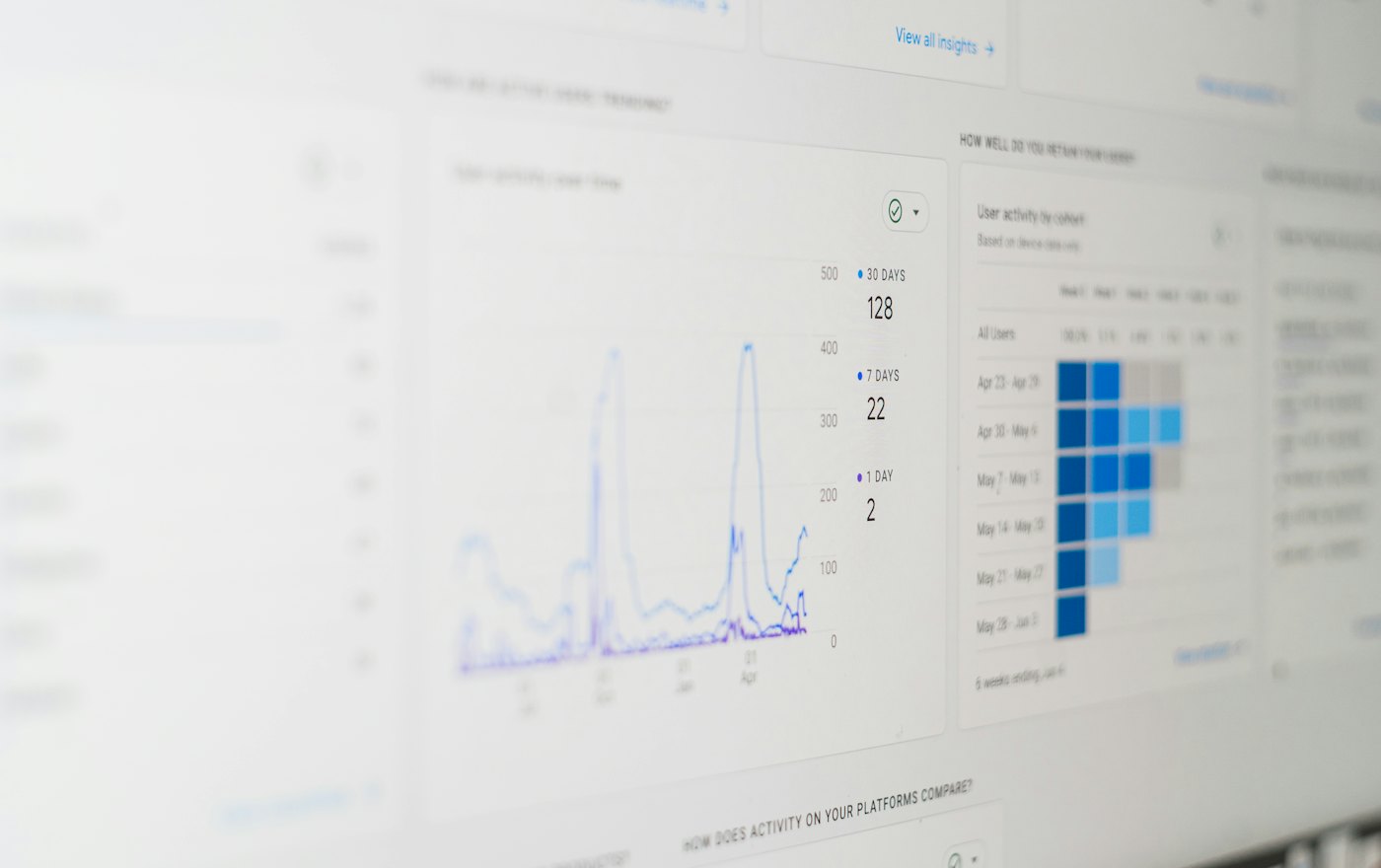
Pulling documents is the divide. If you can open an order, you know whether the error is entry, mapping, or processing. If you cannot, the argument stays on screenshots and the dashboard slides back to decoration; see If a number cannot open a document, what is the dashboard for. Multi-system conflict concentrates here; see When every system calculates its own numbers, what breaks. Without unified master data, three documents can still be three “same customers”; see Without master data, visualization lies. Do not reconcile with “close enough.” Differences over a threshold must produce a list. The threshold can start wide. It cannot be missing.
Do not rewrite the whole subject on day one. Freeze one KPI, one date, one org scope, produce a difference list, then expand. Screenshot-versus-screenshot chat solves no fork. When quality is poor, expose rather than hide; see Data quality is poor. Build the dashboard first, or clean first. After definitions agree on paper, weekly meetings can argue less; see After one definition, weekly meetings argue less.
Write “wrong” as a defect ticket, not as group-chat emotion
A useful ticket has a few fields: KPI name, definition text, extract timestamp, org scope, source document number, both amounts or quantities, and the login. Missing any one, engineering can only guess. DaXi walks that ticket and can usually tell in a day or two whether to change the definition document, patch an API, fix master data, or only adjust a permission view. Send the number that currently fails to the Data service page. If the old platform cannot drill, weigh extend vs rebuild; see Rebuild the old reporting platform, or extend it.
FX, tax, and free goods are hidden definitions. Put them in an appendix
FX, tax-inclusive amounts, free goods, and internal purchases are hidden definitions. Finance may say “same as the ledger,” while the ledger excludes a class of transfers. Write exceptions in an appendix. Do not rely on chat history.
Do not reconcile with “about the same.” Over a threshold, produce a list. The threshold can start wide. Without one, the project revises forever on feel.
Keep one algorithm version per KPI. When test and production, or old reports and the new dashboard, run in parallel, mark which one is official so you do not get three “official numbers.”