03 · Product · Shop-floor reporting order
A button that gloves cannot hit does not need a color discussion
The prototyper uses a clickable grey draft to confirm task order. Motion and brand color are out of scope. At review the mouse goes to the operator. The designer does not narrate beside them.
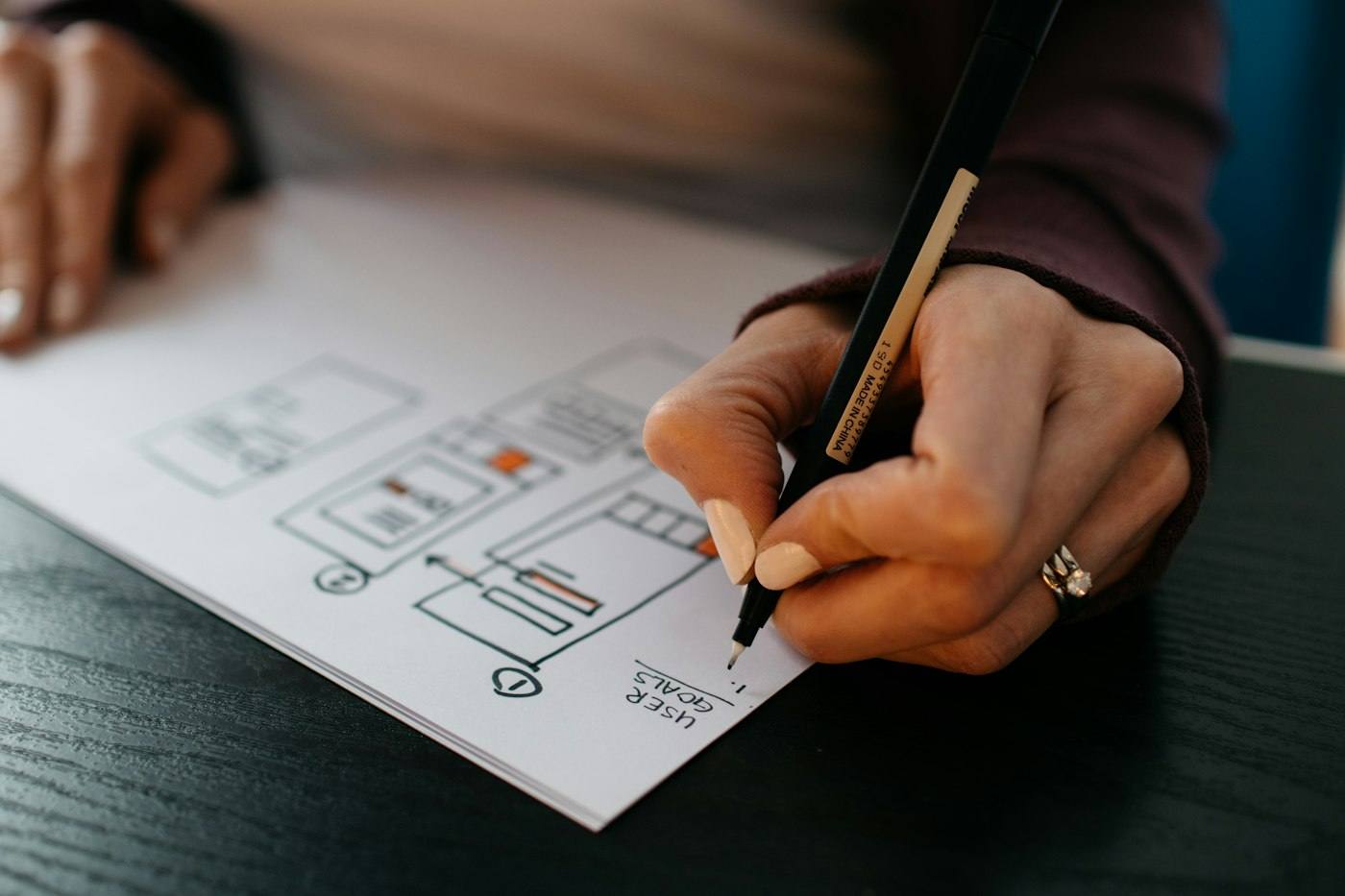
- Open the page. The job-ticket number is already focused. The worker does not hunt for an input.
- Report completed qty. Plus and minus are large enough to hit in gloves. Tiny type inside a table is gone.
- Only then leave. Buttons not in the requirement do not appear, so the customer does not think the function already exists.
- At review the designer stays quiet. The shift lead walks yesterday's job ticket to the end. Only then does this version go to interaction and frontend.
A prototype proves the order can be walked. It does not prove the interface is designed
The prototyper receives rules already written, not a sentence that says "build shop-floor reporting". He lines the task into steps an operator can finish alone, on a grey draft, and deliberately skips visual. Once color appears, review talks about looks and misses where the worker goes after reporting. The job is restraint: buttons not in the requirement do not appear, even if the customer says "every system has print". If print is in the prototype, the customer treats it as this phase's promise. When the product manager cuts it, the team looks like it broke its word.
How review is run is the other half of the job. A prototype the designer narrates always walks through, because the narration fills what the page did not say. DaXi Technology requires the mouse to go to the person who will operate every day. The designer does not speak. Where the person stops is what the next version must change. If they stop because a rule was never written, send it back to the requirements analyst. Do not paste the rule on as a one-line hint. How a device keyboard puts characters into remarks is not answered on this page. Compatibility proves that on the acceptance device.
The grey draft must include failure, not only the happy path
Four successful steps make workers think any number will pass. The prototype must also show three stops: job-ticket number does not exist; completed qty exceeds plan and is not yet confirmed; after a network failure it is unclear whether the last tap counted. Each stop must show which state the job ticket is in, and whether the next move is retry, edit, or find the shift lead. A prototype that cannot do this must not go to frontend. Frontend will invent a toast nobody on the station can read.
The prototype also does not replace the Interaction designer. Once the order walks, interaction owns how a miss comes back, and how empty and no-privilege are told apart. The prototyper does not set motion or brand color. The handoff to the UI designer is pages labelled with state names, not a long colored picture. A long picture cannot be sliced. States cannot be unit-tested.
Machining shop-floor reporting: the first table failed under gloves
Version one used an office table: small inline inputs, confirm at the top-right. At review the worker wore cotton gloves, missed plus and minus, then had to cross the screen for confirm. The designer wanted to say "the real version will enlarge it". Explanation was forbidden. Version two became a task: enter and the job ticket is focused; ask only completed qty and scrap qty; the main button takes the full bottom row; print and stats stay off. The shift lead walked a real job ticket from yesterday. He asked only whether over-plan would complete-to-stock immediately. That was not a prototype miss. The page already showed "awaiting shift-lead confirm" by the rule. He saw it.
The record from this review is not "the customer mostly agreed". It is four lines: focus, completed qty, confirm, no extra buttons. Testing later uses the same job ticket. If development puts confirm back top-right for looks, or adds "print job ticket", the prototyper calls it not built to the draft, not a style difference. Walking it alone is this role's only pass.