07 · Testing · Guns and printers
It scans on the development machine. The warehouse gun puts the barcode into remarks
The compatibility tester tests the acceptance device matrix: the real gun, the real printer, and the WeChat the customer actually uses. Adaptation is written on mobile. A pass must not be written in a simulator.
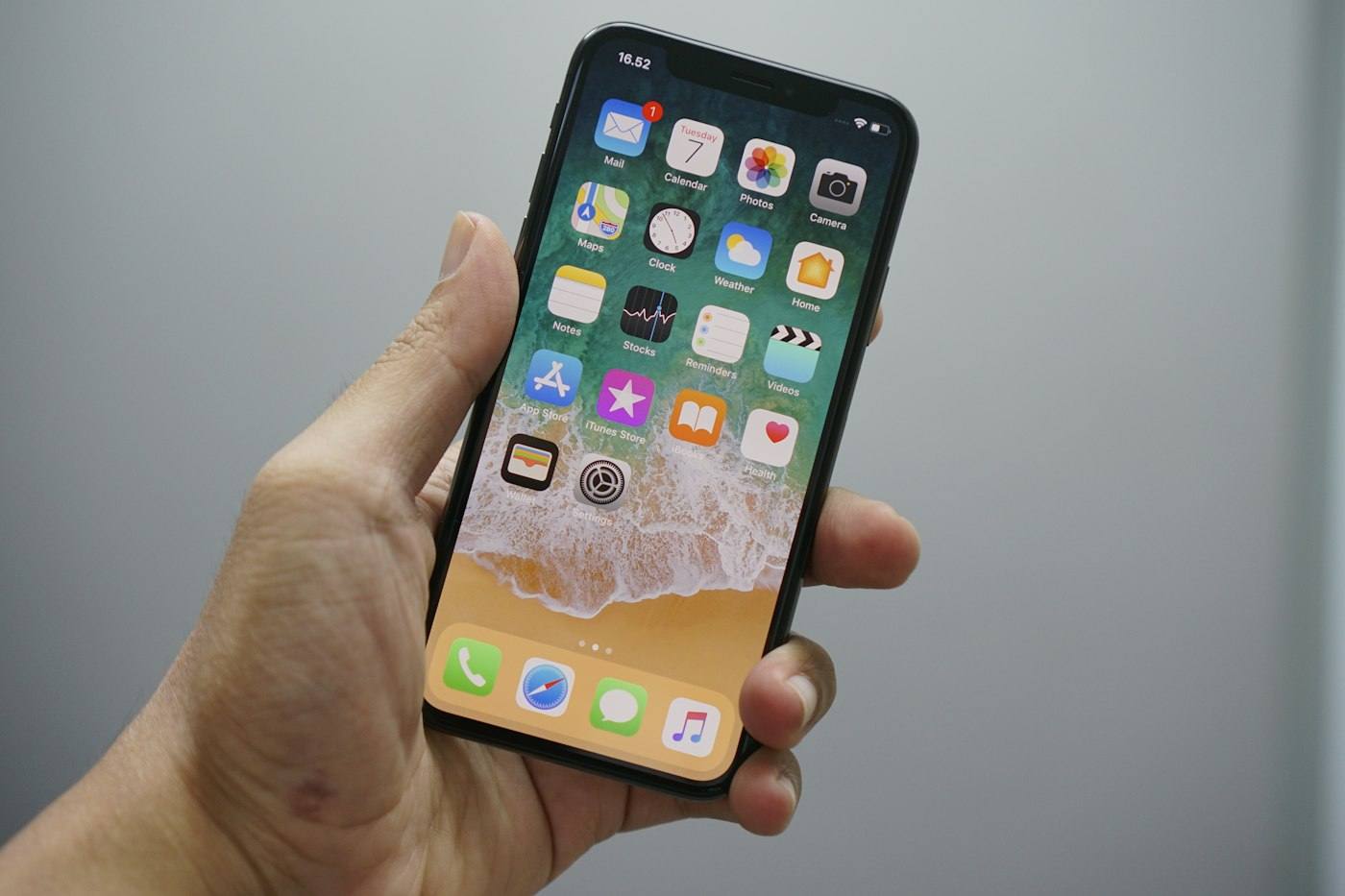
The compatibility tester stands in the environment the customer will actually open
The enterprise floor is mixed: an old WeChat, a handheld with a scan gun, only a dot-matrix printer left, a phone whose font has been enlarged. What marks this role is that the list comes from the implementation survey, not from the three phones at home. Each item only tests the key path, for example submitting receiving and printing a delivery note. He does not click every menu on every device. That time will run out, and the scan and print that actually break will not be tested.
A failure must be reproducible: device model, OS version, input method, expected and actual. If the actual is that the barcode went into remarks, it is recorded as a defect for frontend or mobile. It is not recorded as “the device is too old, suggest replacing it.” Replacement can be a suggestion. It must not hide that the software did not adapt a keyboard-mode scan gun.
Print and WeChat are the worst areas
A delivery note has to come out on the customer's printer. Look at where the document number sits, and whether the barcode can be scanned back. A PDF on screen passing does not count. H5 inside WeChat is opened on versions common in the customer group, to see whether the keyboard covers submit. He hands the result back to visual and H5. Before a template is frozen there must be a sheet of real paper.
The gun and remarks
In the office, scan is tested with a keyboard. With focus in the input box, everything is fine. The warehouse gun first sends a function key, knocks focus onto remarks, and the barcode becomes a string of unclaimed text with quantity empty. Compatibility testing records that gun and files the defect to frontend: on entering the page, force focus and ignore rapid input on remarks. After the fix he walks one document on the same gun. The barcode goes into the quantity field. A pass on the simulator is struck out. It does not stay in the report to pad it. This gun's key-mode is the main experiment of this role. It is not a story invented by the prototype or by frontend.
The device list is kept after go-live. A new gun coming on site is added to the test. It is not assumed to match the old gun. The compatibility tester writes printers, scan guns, and WeChat versions as an appendix to the go-live list. A device not on the appendix must not be used for the first time on cutover day. First use is treating the customer as a test. A new device is tested first, then it enters the floor. What is tested is the key path and paper out, not the boot screen. He also checks key buttons under enlarged font, dark mode, and low battery. After low battery dims the screen, if a dangerous button melts into the background, a worker will tap the query next to it. Every incompatibility must land on one document: document number, device, OS version, expected and actual. A compatibility issue with no document number cannot be retested after the fix.
Printers have to put out real paper. Dot-matrix, thermal, and the customer's old machine that is out of paper each print one sheet. Look at where the document number sits, and whether the barcode can be scanned back. A PDF on screen does not count. A firmware upgrade is also an environment change. He does not assume that because the vendor said compatible, it is compatible. He still walks one scan and one print. Only a pass allows a bulk push. If gun firmware changes the Enter suffix, find it first on the acceptance gun, not when the whole warehouse slows at once. Whether the offline queue double-posts is for mobile to prove with a request ID. This role does not write roaming as a second implementation test. WeChat versions that have appeared in the implementation group are each installed on a device, to see whether the keyboard covers submit. The latest app-store version passing cannot stand in for the old version the customer still uses. When the out-of-paper old machine continues onto a second sheet, if the barcode climbs out of the scannable area, it is a defect for visual. It is not recorded as out of paper, suggest replacing the machine.